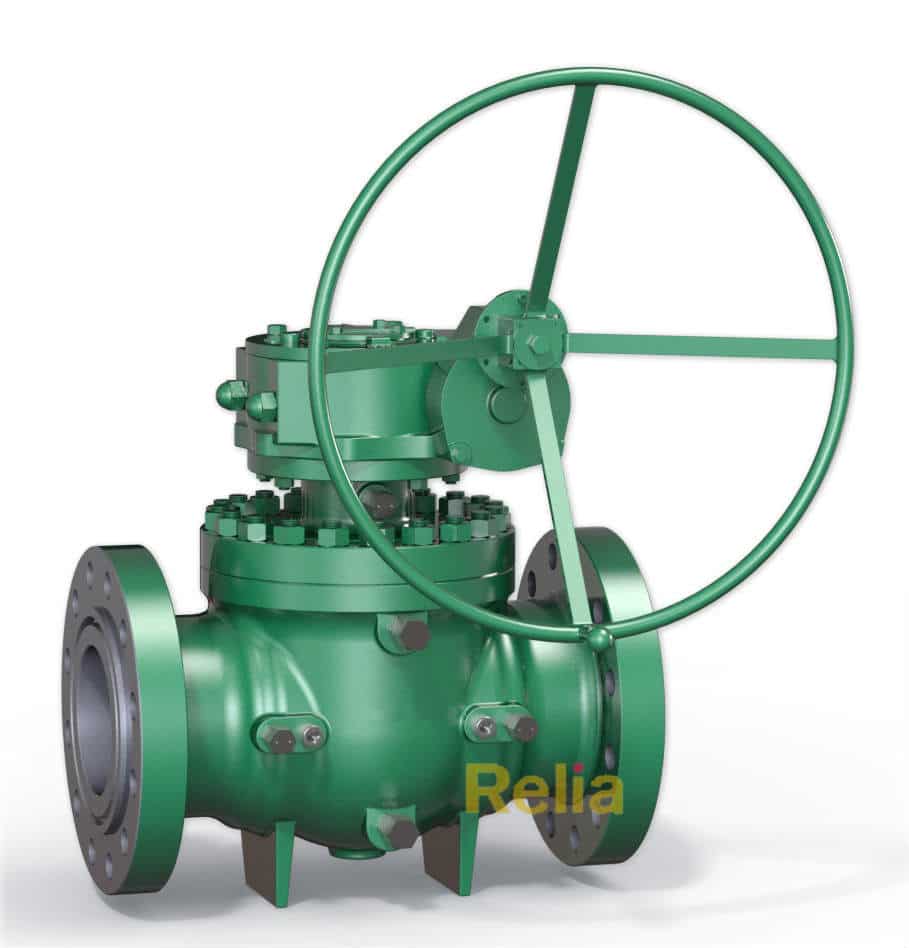
brass ball valve
A brass ball valve request should begin with a clear purchasing specification rather than a product name alone. State the required body material as brass in the inquiry, then identify the preferred ball-valve design, pressure class, and connection style. This creates a practical basis for comparing suitable valve configurations and discussing the exact product requirement.
The listed ball-valve range covers several design categories: standard Ball Valve, Floating Ball Valve, Trunnion Mounted Ball Valve, Metal Seated Ball Valve, Fully Welded Ball Valve, and Top Entry Ball Valve. These categories give purchasing teams a structured starting point when the end user has already defined operating conditions, maintenance expectations, installation layout, or connection preferences.
For applications calling for a floating-ball configuration, the available product information describes a stem made separately from the ball. It also describes a spring-plus-graphite anti-static device positioned between the ball, stem, and body. The description states that this arrangement is intended to maintain electrical continuity among metallic components and support sealing safety across pressure conditions. When floating-ball construction is the requested format, include the applicable design requirement in the RFQ so that the valve selection can be aligned with the intended project specification.
Pressure class should be stated directly in a brass ball valve inquiry. The listed product range includes Class 150 Ball Valve, Class 300 Ball Valve, and Class 600 Ball Valve. Buyers can use these named pressure-class categories to organize the request and avoid mixing different project requirements within one general quotation inquiry. If a project uses more than one class, list each required class as a separate line item with its own quantity and connection requirement.
End connection is another key selection item. Butt Weld Ball Valve and Flanged Ball Valve are identified in the product range. Specify the required end style in the purchase request instead of using only the term “ball valve.” This helps distinguish between a valve intended for a butt-weld connection and one requested with flanged ends. For projects with multiple piping sections, separate the request by connection type to keep the valve schedule clear.
The inquiry can also identify whether the desired configuration is floating, trunnion mounted, metal seated, fully welded, or top entry. These are distinct product categories in the listed range, so naming the desired category will make the inquiry more precise. Where the project specification uses a particular pressure class and connection style, combine those requirements with the requested ball-valve category in one line-item description.
A practical brass ball valve RFQ can include: requested material; ball-valve category; pressure class such as Class 150, Class 300, or Class 600; end connection such as butt weld or flanged; required quantity; and the project’s drawing or technical specification. For example, a buyer may request a brass ball valve in a specified ball-valve configuration with a specified class and end connection, then attach the applicable technical requirement for review.
Relia Valve presents ball valves as part of a broader valve product offering that also includes gate, globe, and check valves. Its stated industry coverage includes oil, natural gas, and petrochemicals. For a brass ball valve project, keep the request focused on the ball-valve configuration and application requirements so the requested valve can be evaluated against the relevant product category.
Get a quote
Tell us what you need and we reply with pricing and lead time.
WhatsApp Email