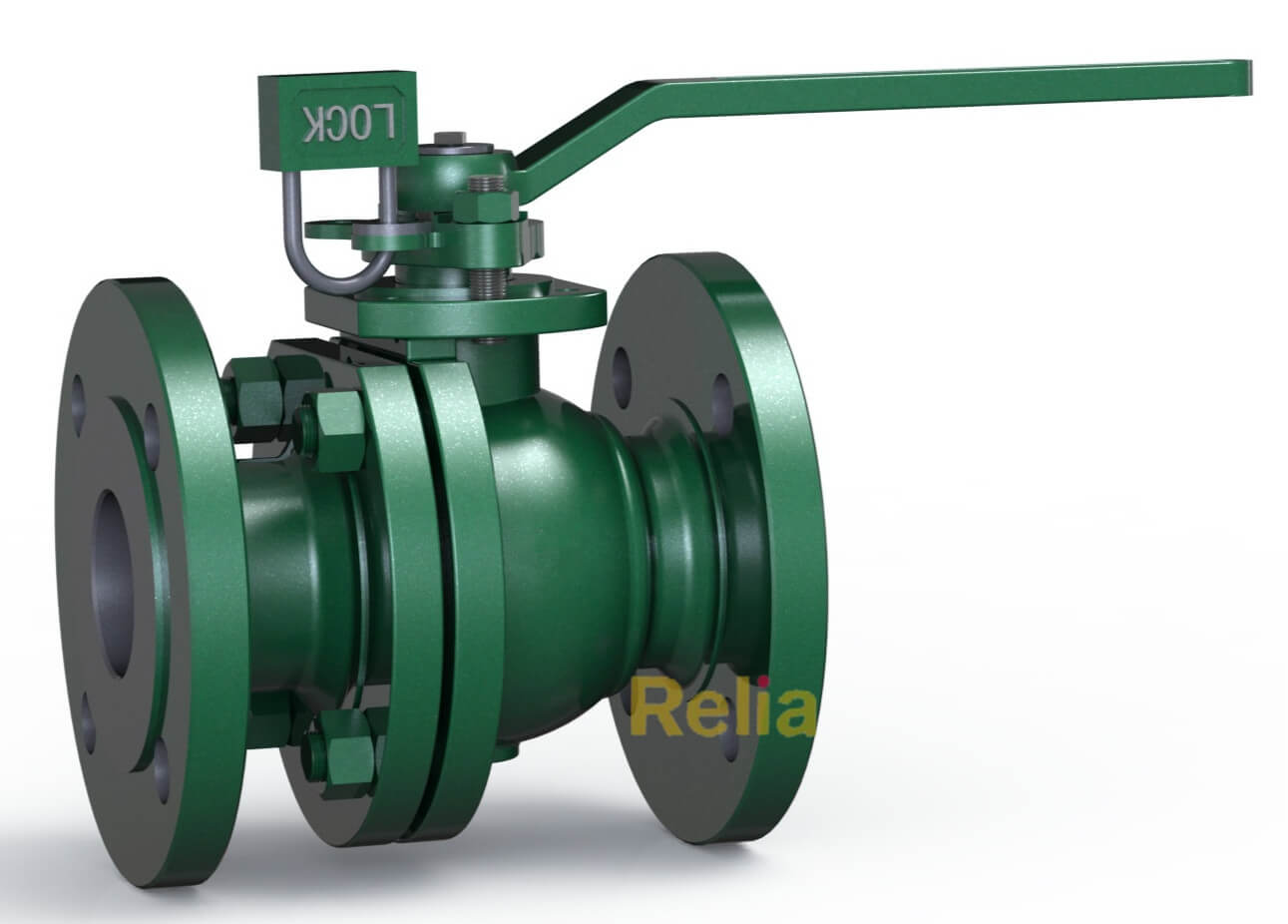
3/4 ball valve
A 3/4-inch ball valve request should begin with the nominal size and then convert that requirement into a purchase-ready valve specification. The available ball-valve range includes general Ball Valve, Floating Ball Valve, Trunnion Mounted Ball Valve, Metal Seated Ball Valve, Fully Welded Ball Valve, and Top Entry Ball Valve configurations. These named options give buyers a starting point for matching the valve construction to the project’s piping, operating, and maintenance requirements.
For a small nominal-size requirement such as 3/4 inch, first identify the connection needed at each valve end. The listed product range includes Butt Weld Ball Valve and Flanged Ball Valve options. Specify whether the valve must connect to welded piping or to flanged piping, and provide the mating-pipe or flange details needed by the project. End-connection information should be included together with the nominal size so the valve can be evaluated as a complete piping component rather than as a size-only item.
Next, define the required pressure class. The listed ball-valve products include Class 150 Ball Valve, Class 300 Ball Valve, and Class 600 Ball Valve. Select the class required by the line design and state it directly in the inquiry. A clear request format can be: “3/4-inch ball valve, Class 150, flanged ends,” or “3/4-inch ball valve, Class 600, butt-weld ends.” This approach makes the required size, pressure category, and connection format immediately visible to the supplier and project team.
Valve construction is another key selection point. A Floating Ball Valve is included in the product range, as are Trunnion Mounted, Metal Seated, Fully Welded, and Top Entry ball valve types. Rather than choosing a type from its name alone, define the project conditions that drive the choice: the handled medium, operating pressure, operating temperature, required shutoff arrangement, actuation requirement, access requirements, and maintenance approach. These details allow the selected valve type to be aligned with the intended service conditions.
For floating-ball valve discussions, the supplied design-feature text identifies a separately made stem and a spring-plus-graphite anti-static device. It also describes an integral T-type round shoulder arrangement installed between the ball, stem, and body. When this specific configuration is relevant to the project, include Floating Ball Valve in the inquiry and request the detailed design confirmation for the required 3/4-inch configuration.
A useful RFQ for a 3/4-inch ball valve should therefore state: nominal valve size; valve type; pressure class; end connection; line medium; operating temperature and pressure; body, ball, stem, and seat material requirements; manual or automated operation; required flow direction or port arrangement; project quantity; and any drawing, inspection, marking, or documentation requirements. Keep each requirement in a separate line item. This reduces ambiguity between engineering, procurement, and installation teams.
For projects needing multiple valve forms, separate each item rather than combining alternatives into one request. For example, list a 3/4-inch Class 300 flanged ball valve as one item and a 3/4-inch Class 300 butt-weld ball valve as another. If the project is considering more than one construction—such as Floating Ball Valve and Metal Seated Ball Valve—request each as a distinct configuration with the same service data. This enables a direct technical comparison while preserving the original line requirement.
Relia Valve presents ball valves alongside gate, globe, and check valves and states that it serves oil, natural gas, and petrochemical industries. For a 3/4-inch ball valve inquiry in those sectors, provide the full process and piping data early so the requested configuration can be aligned with the project specification.
Get a quote
Tell us what you need and we reply with pricing and lead time.
WhatsApp Email